The Hand That Rocks the Cradle (2025) hit me harder than I expected. I went in thinking it would be another glossy remake, but instead it lingered — quiet, sharp, and suffocating in the best way. Maika Monroe delivers a performance that feels almost ghostly: she doesn’t just play a villain, she studies how control seeps into everyday kindness. Her smile feels rehearsed, her pauses perfectly timed — the kind of calm that makes your stomach tighten.
What really struck me was how the film reframes power. Mary Elizabeth Winstead’s character, Caitlin, is successful, composed, and yet still fragile under the weight of expectation — the “perfect” career woman and mother unraveling inside her own home. That duality feels modern and painfully real. The movie isn’t just about a nanny gone rogue; it’s about how easy it is to lose control when you’re stretched too thin, and how someone else can step into that weakness like it’s a doorway.
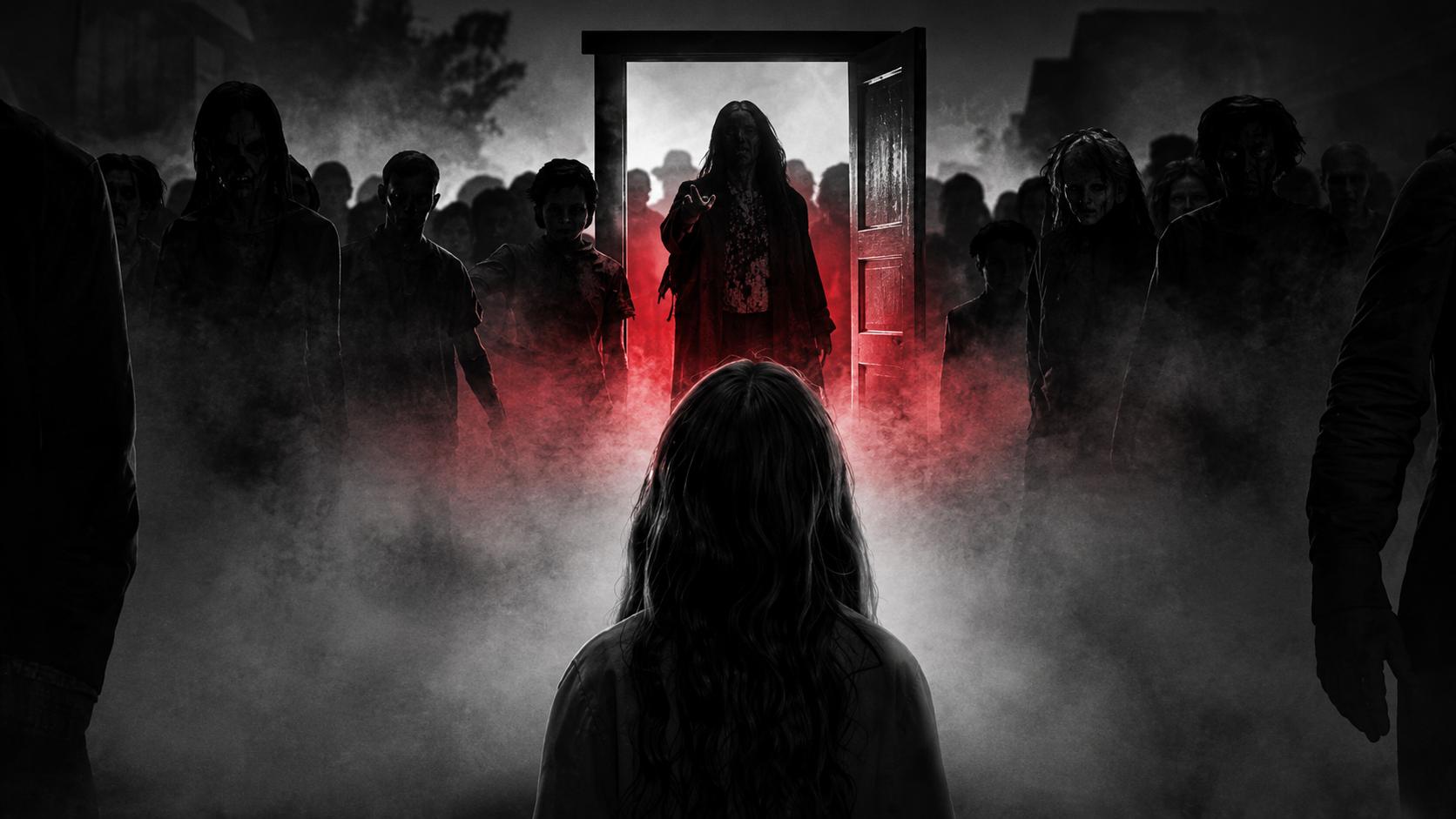
Visually, the film is cold and elegant — glass, chrome, and shadows. It’s not loud horror, but psychological suffocation. I loved that it doesn’t scream its fear; it whispers it, and you feel it tightening scene by scene. The ending doesn’t shock — it exhausts, and that feels right. It leaves you uneasy, questioning who really has the upper hand in the spaces we call safe.
For me, The Hand That Rocks the Cradle isn’t just a thriller. It’s a study in control, identity, and quiet rage — a story about the invisible cracks in perfection, and what slips through when no one’s watching.