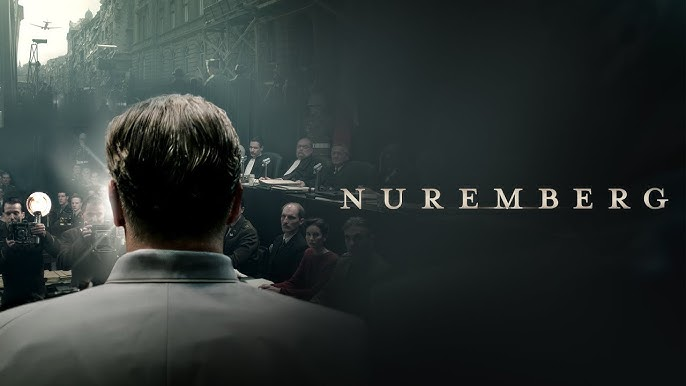
There are films that challenge you to think, and then there are films that challenge you to sit with discomfort. Nuremberg is both. It’s not just a retelling of the postwar trials; it’s an uneasy psychological conversation about power, guilt, and the fragility of morality itself.
Russell Crowe’s portrayal of Hermann Göring is disturbingly magnetic. He plays him not as a caricature of evil, but as a man terrifyingly aware of his own charisma. Watching him manipulate the courtroom and even Rami Malek’s weary psychiatrist which feels like watching history weaponized through charm. It’s the kind of performance that makes you question how easily people are swayed by confidence, even in the face of horror.
The film lingers in quiet spaces like sterile rooms where truth is dissected and humanity feels fragile. You can feel the weight of moral reckoning pressing on every line of dialogue. It’s less about “good versus evil” and more about how the mind rationalizes the unforgivable.
Personally, I found Nuremberg haunting because it’s not just about the past. It’s about us — how we justify, excuse, or ignore things that demand our conscience. It’s a mirror, not a museum piece.
Crowe’s commanding stillness, Malek’s internal unraveling, and Vanderbilt’s restrained direction make the film feel like a slow psychological implosion which was not loud, but quietly devastating. When the credits rolled, I didn’t feel closure; I felt the weight of history demanding attention.