Hamnet is a hushed, emotionally devastating meditation on grief, elevated by great cinematography that turns loss into something tactile and deeply felt. The film avoids spectacle and exposition, choosing intimacy instead—letting silence, gesture, and environment carry the weight.
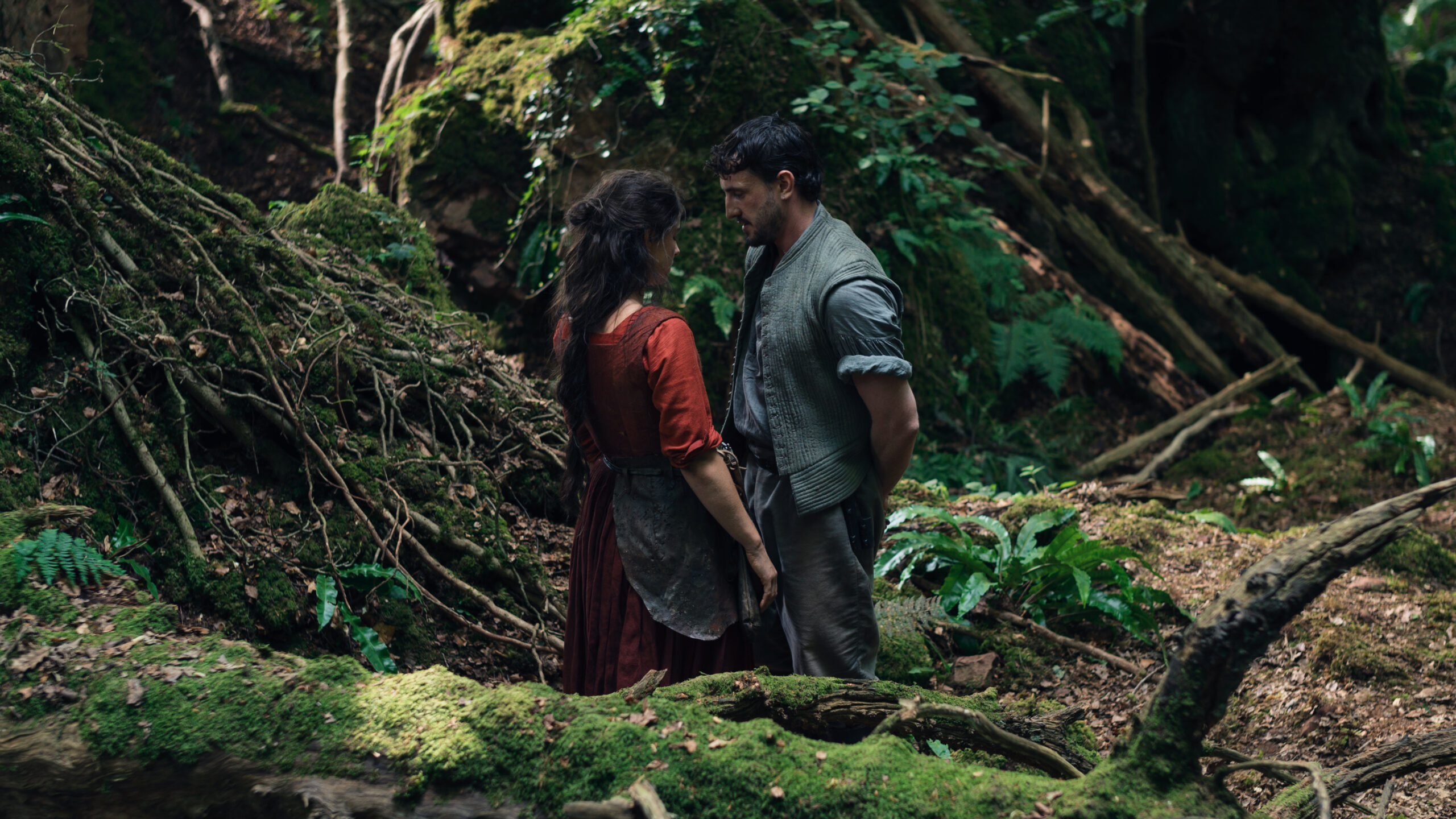
Its cinematography is quietly extraordinary. Natural light, muted earth tones, and shallow focus create a world that feels fragile and lived-in. Close-ups of hands, fabric, breath, and faces collapse emotional distance, pulling us inside the characters’ interior lives. The rural landscape isn’t decorative; it observes, endures, and underscores how private sorrow exists within an indifferent, ongoing world.
Performances are restrained and internal, allowing grief to surface without being explained. Editing loosens chronology, giving the film the texture of memory—moments bleed into one another the way they do in mourning. Long, still takes trust the viewer to sit with absence rather than rush toward resolution.