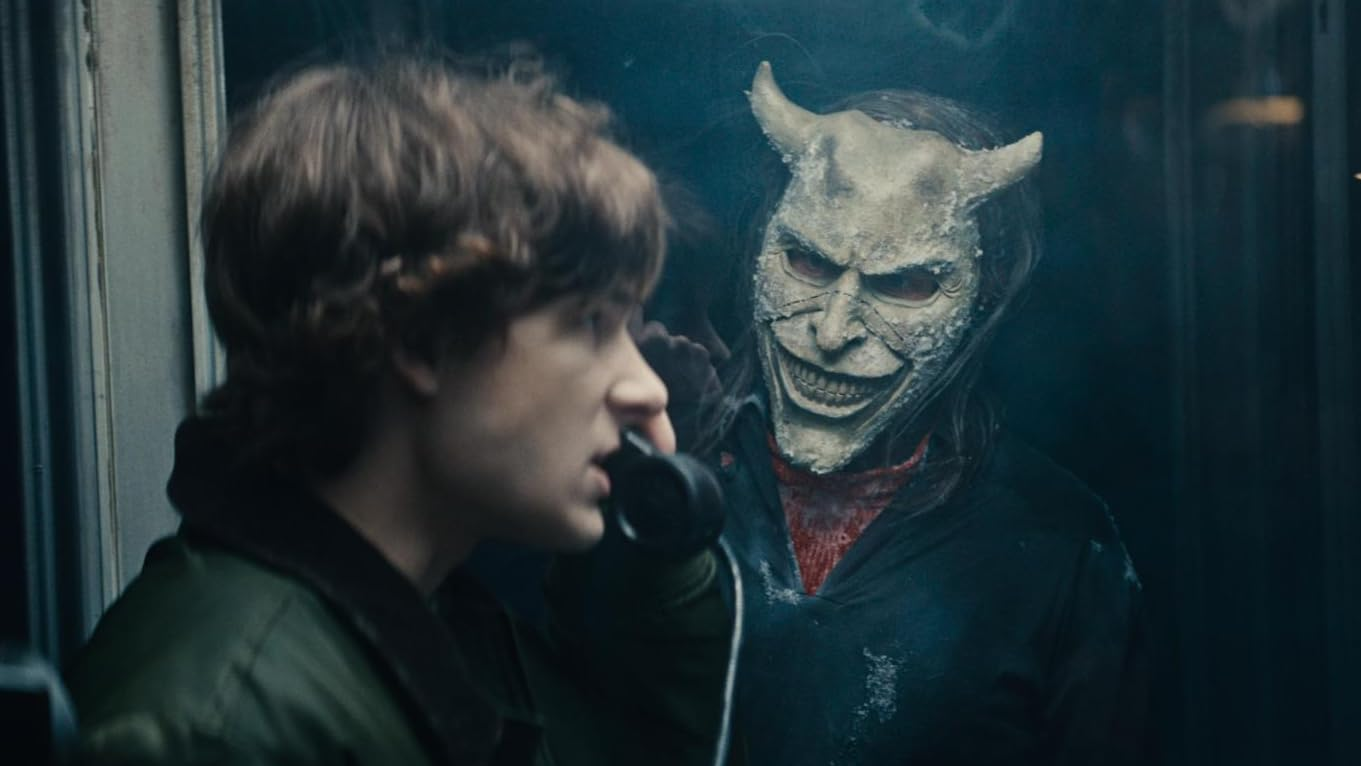
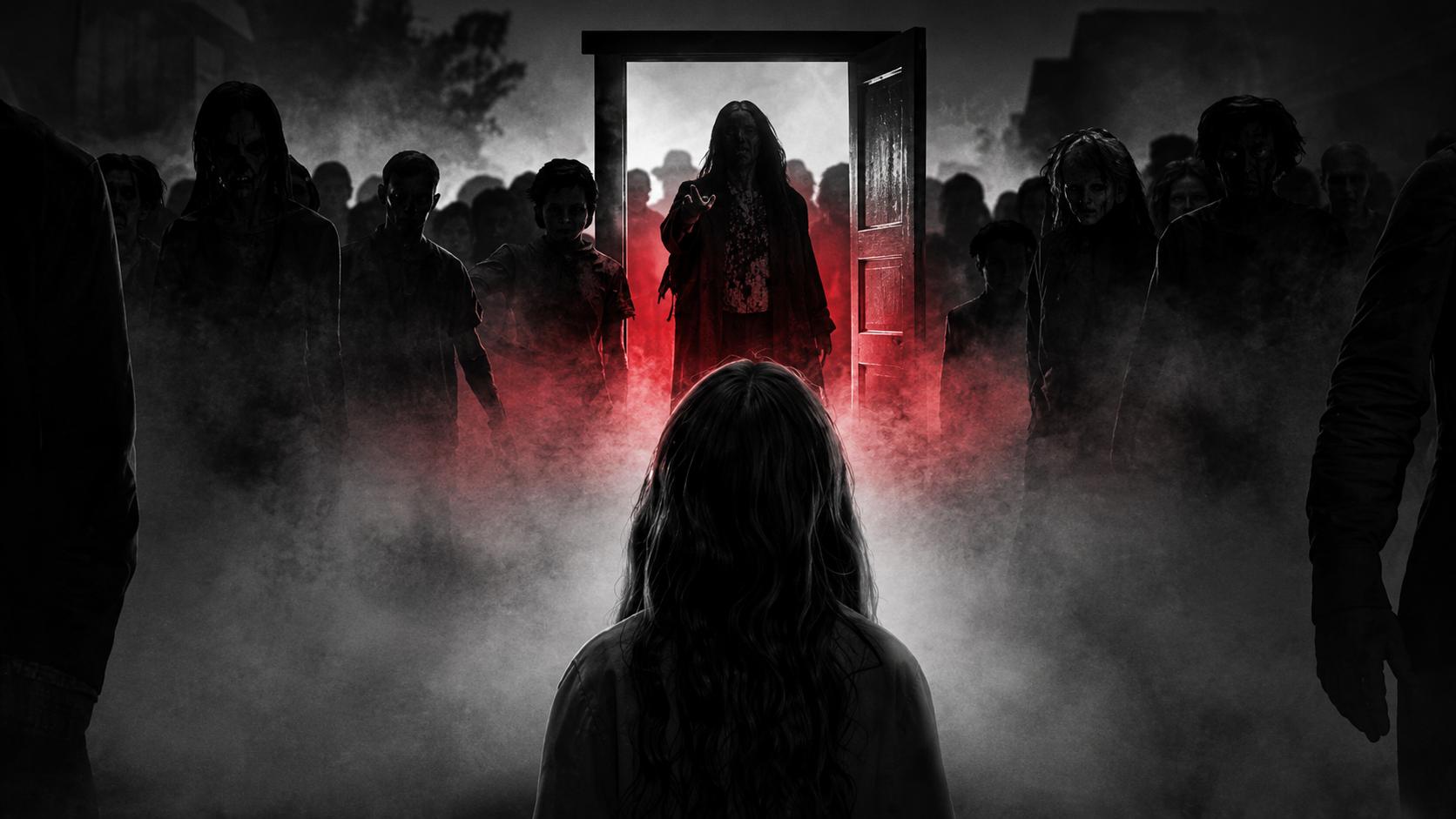
The Black Phone 2 (2025) feels less like a sequel and more like a reckoning. Where the first film trapped its fear in a basement, this one lets it breathe — and in doing so, it becomes more psychological, more haunted by what survival really means. Finney Blake isn’t the wide-eyed kid anymore; he’s scarred, cautious, and learning that escape doesn’t end the story, it just begins the aftermath. The film leans into trauma with surprising sincerity, showing how fear lingers in the body long after the danger is gone. Scott Derrickson’s direction keeps the atmosphere thick and uneasy, shifting between the grit of reality and the surreal pull of dreams and memories. Ethan Hawke’s presence still looms like a shadow, a reminder that evil doesn’t die — it echoes. What makes The Black Phone 2 work is its willingness to explore the emotional weight of horror: guilt, grief, and the slow process of reclaiming agency. It’s not as tightly wound as the first, but it feels more mature — a story about living with ghosts, not just running from them.
Black Phone 2