From the moment I started watching ‘Weapons’, I knew I was in for something different from the usual horror film. The story immediately pulled me in with its mysterious and emotional depth, and as the plot unfolded, I became more invested in the characters and the dark atmosphere it created.
I was especially impressed by the cast’s performances. Josh Brolin, as Archer Graff, delivered a powerful portrayal of a father coping with his son’s disappearance. Julia Garner stood out as Justine Gandy, a teacher who became central to the story, and Alden Ehrenreich’s turn as a police officer added important tension. Austin Abrams, Benedict Wong, and Amy Madigan brought further depth to the ensemble.
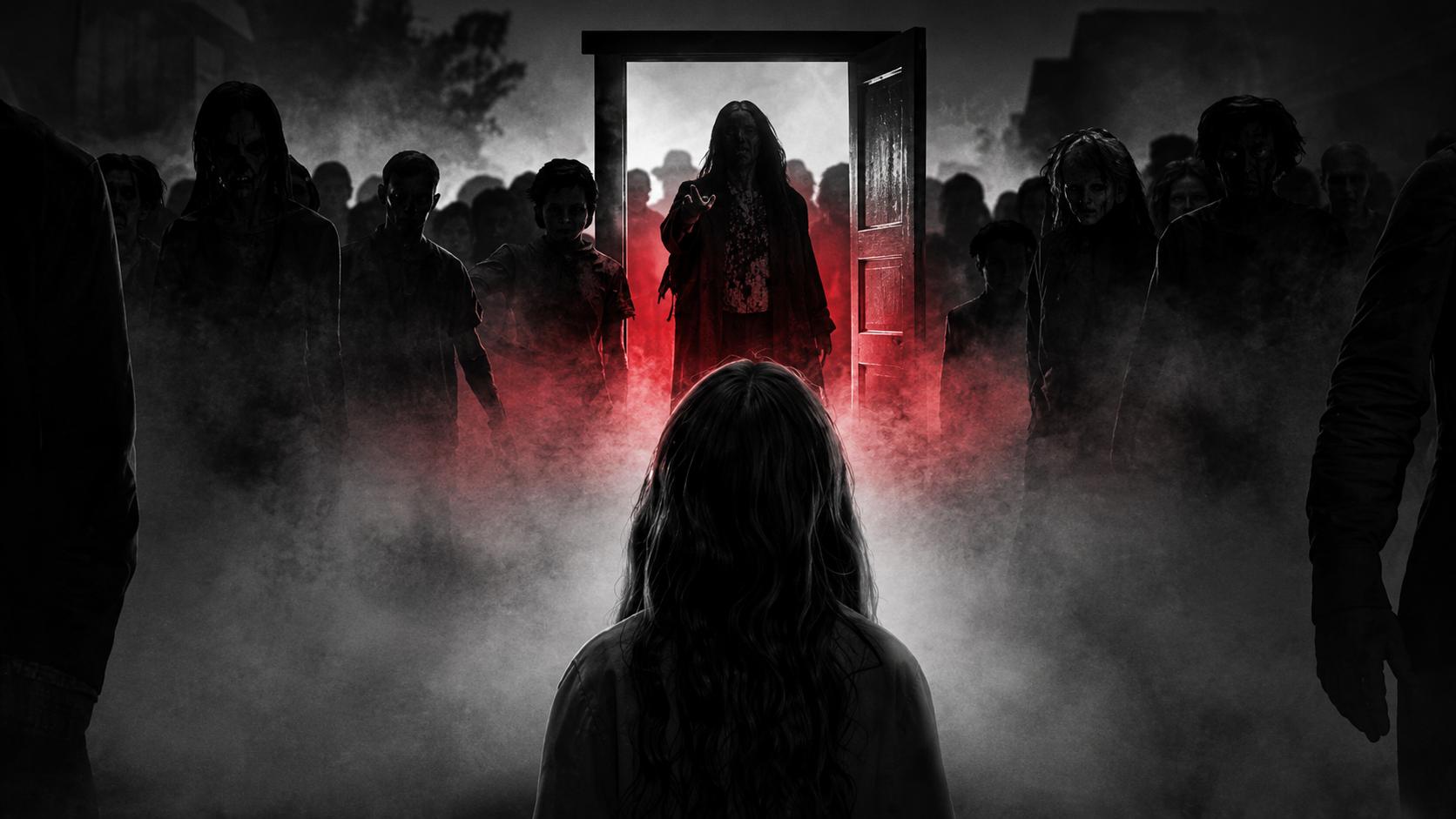
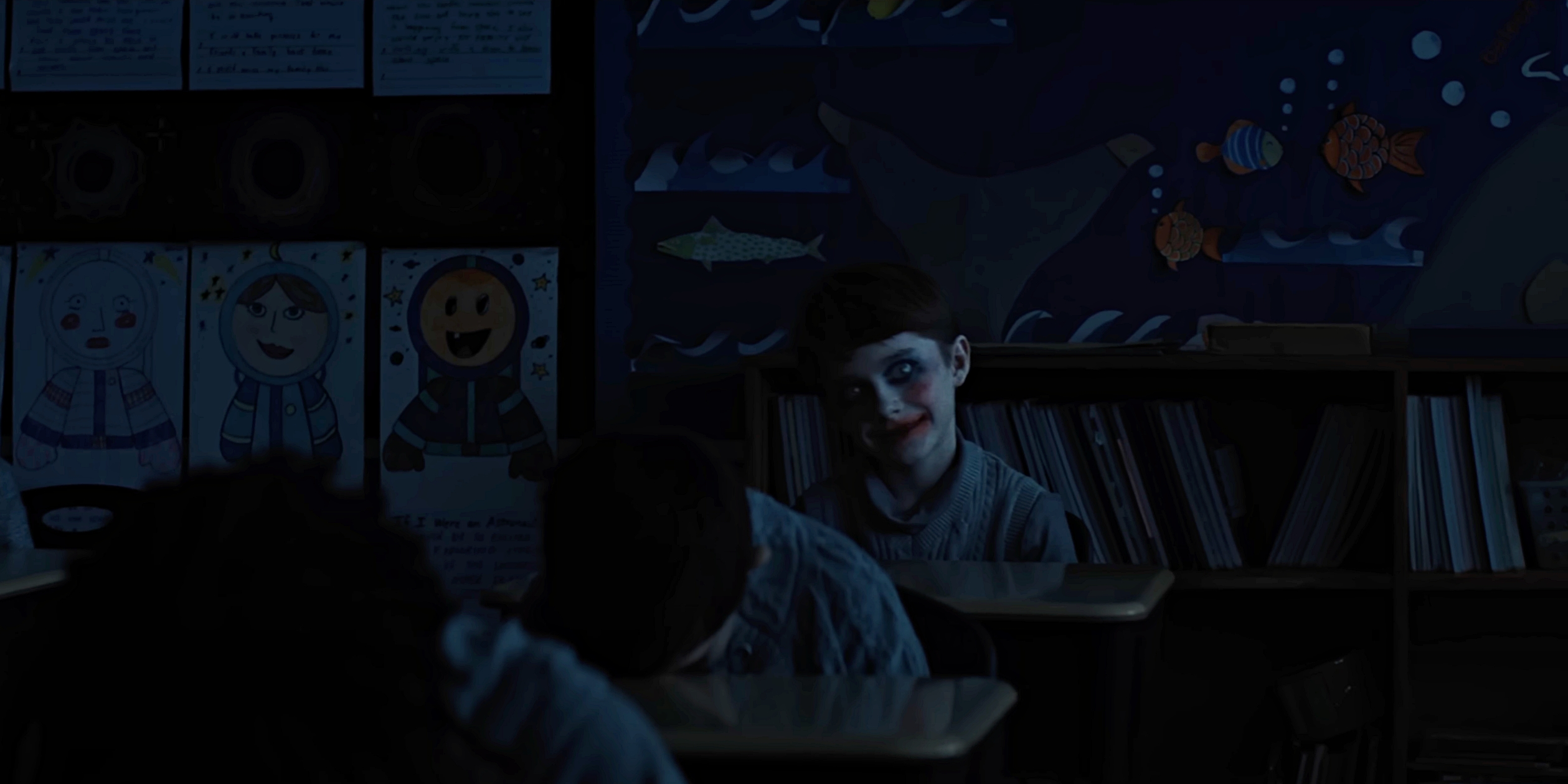
The cinematography by Larkin Seiple was a standout element. Slow-motion shots and precise framing built a haunting tension reminiscent of some of my favorite psychological horror films. Long, lingering takes forced me to sit with the characters’ emotions, while the interplay of shadows and muted colors gave the film a dreamlike, surreal quality. Sudden bursts of bright light punctuated key moments, jolting the viewer and amplifying shock. Deliberate, unsettling camera movements—slow pans, creeping tracking shots, and sudden zooms—kept me uneasy. Even the use of negative space felt purposeful, hinting at unseen danger just beyond the frame.
‘Weapons’ blends strong acting with striking, atmospheric visuals. Seiple’s cinematography doesn’t just capture the story—it shapes the tension, guiding the viewer’s emotions as much as the performances or plot. The result is a thoughtful, chilling experience that goes beyond typical horror tropes.