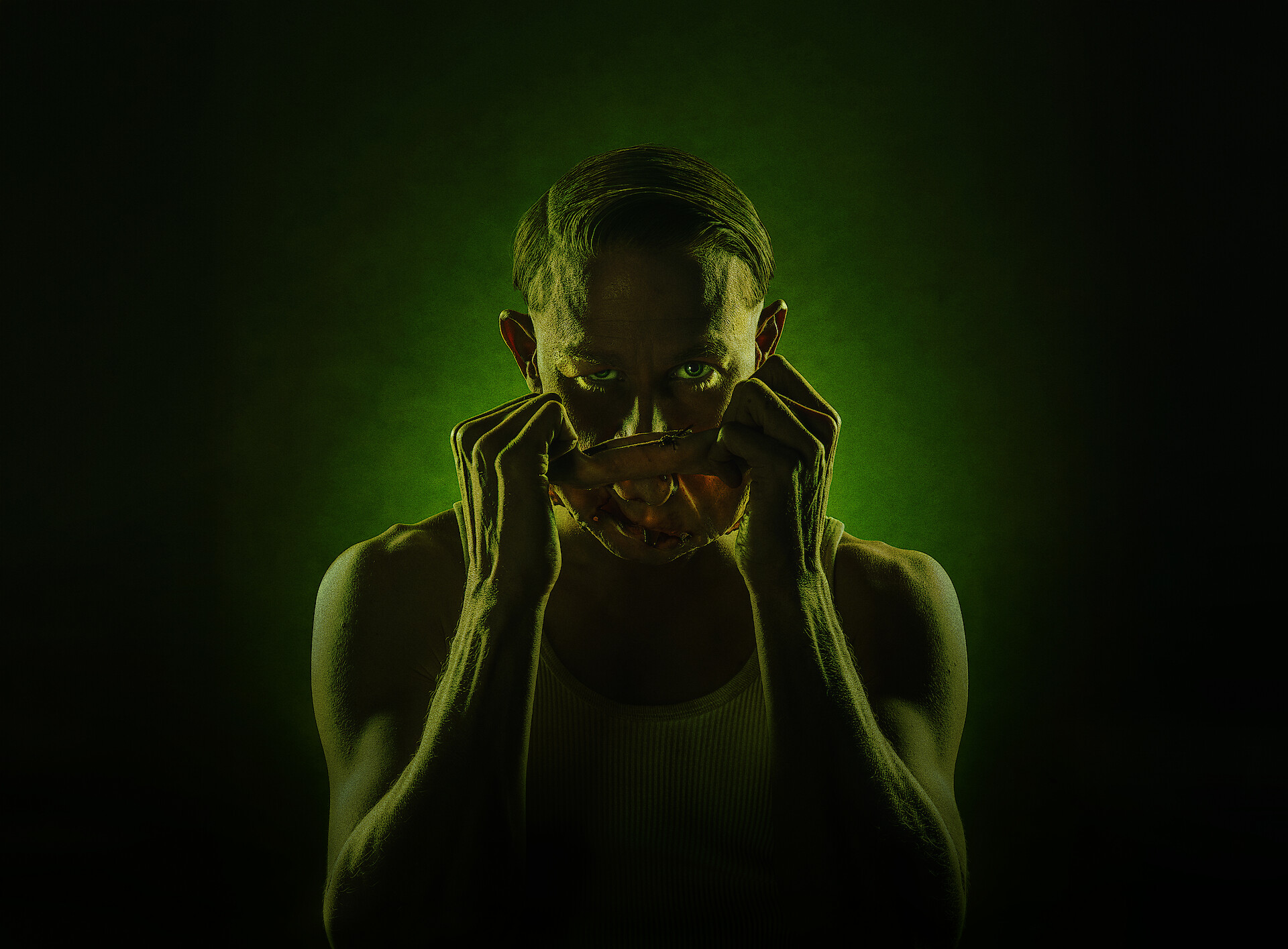
Monster: The Ed Gein Story is Ryan Murphy’s most atmospheric descent and gothic study of repression, guilt, and the horrors bred in isolation. It’s less a true-crime retelling than a feverish meditation on the human mind collapsing under faith, shame, and loneliness.
Charlie Hunnam is extraordinary. His performance is transformative — tender, fractured, and quietly tragic. He doesn’t play Gein as a caricature of evil but as a ghost of his own making, trapped in the echoes of a mother’s devotion turned disease. Laurie Metcalf matches him with a performance that’s both domineering and heartbreaking — the embodiment of religious control masquerading as love.
Visually, the show is stunning as every frame soaked in decay and melancholy. The production design captures mid-century Americana at its most cursed: peeling wallpaper, fog-drenched barns, and crucifixes looming like specters. It’s horror not through jump scares, but through stillness — the kind that crawls beneath the skin and lingers.
What makes this season work is its restraint. Murphy and director Max Winkler don’t glorify violence; they dissect it. The series asks what happens when repression becomes ritual like when guilt breeds monstrosity. Beneath the blood and bone, there’s a haunting empathy for the broken mind that horror films have borrowed from for decades.
Monster: The Ed Gein Story is a chilling elegy for the American nightmare — exquisitely acted, psychologically rich, and visually hypnotic. It doesn’t just tell a story of madness; it peers into the silence that creates it.