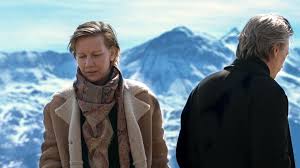
‘Anatomy of a Fall’ is gripping and cerebral but it is more than just a mere mystery—it’s a microscopic examination and excavation of all angles within a marriage. Moreover, the movie dabbles with themes of power dynamics and consequences of truth.
The entire cast was stellar. Specifically, Sandra Hüller was absolutely remarkable constantly wavering between conceitedness and vulnerability. She was completely convincing in a demanding role, and the film wouldn’t have been as powerful without her phenomenal performance. Overall, the movie instantly gets the viewer’s attention and keeps you captivated the entire time. The courtroom scenes gradually exposed the layers within each character and their skeletons in the closet, thereby allowing the audience to come to their own conclusions.
The script contained intricacies and twists that were unpredictable and engaging. The director, Justine Triet, expertly uses interesting characters, foreshadowing elements, visual details, and deliberate pacing to make a wonderful film. The visual splendor is accompanied by a score that is mysterious creating a haunting tone.
The cinematography in ‘Anatomy of a Fall’, led by Simon Beaufils, is a key element in shaping the film’s intense and introspective mood. The use of handheld cameras throughout much of the film creates a raw, immediate feeling that mirrors the emotional instability and tension experienced by the characters as the mystery unfolds. This dynamic camera work contrasts with the more static, formal shots used in courtroom scenes, highlighting the rigid and impersonal nature of the legal process against the backdrop of personal turmoil. Tight close-ups capture subtle facial expressions and unspoken emotions, drawing viewers deeply into the psychological complexity of the characters. The framing often includes barriers such as windows, doorways, or curtains, symbolizing themes of confinement, judgment, and separation. Lighting is kept naturalistic and low-key, bathing scenes in muted, cool tones of blue and gray that reinforce the film’s somber and clinical atmosphere. Shadows and dim interiors evoke mystery and underline the characters’ hidden doubts and secrets. Selective focus and shallow depth of field isolate individuals within the frame, emphasizing their vulnerability and fractured relationships. Altogether, these cinematographic choices heighten the film’s exploration of truth, perception, and the fragile nature of human connections.
To summarize, this film is clever, thought-provoking and ingeniously crafted. This movie won the Palme d’Or at the Cannes Film Festival this year and will certainly be a contender for others.