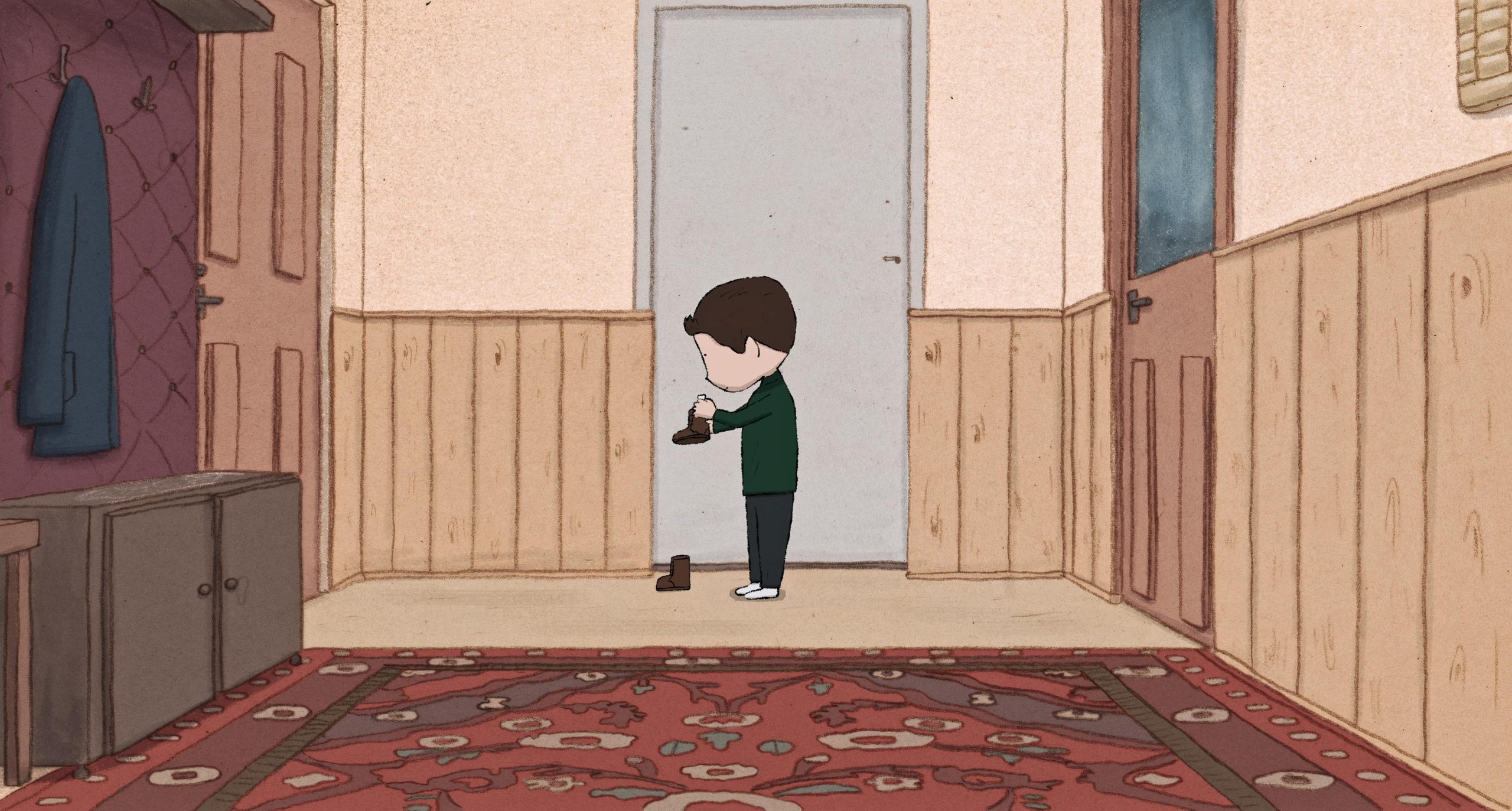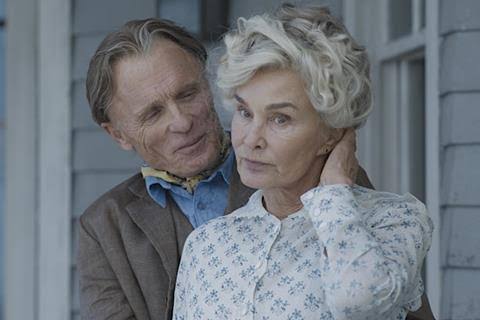
I had the opportunity to see Long Day’s Journey Into Night at the Chelsea Film Festival in New York City, and it was one of those experiences that stayed with me long after it ended. I found it heartbreaking, not because of one particular moment, but because of how painfully familiar and human the family dynamics felt. Eugene O’Neill captures something that I think many of us can relate to: the complicated reality of loving people who have hurt us, wanting to help someone who is struggling, and realizing that love alone cannot always fix what is broken.
What affected me most was the way each member of the Tyrone family carried their own pain while struggling to recognize the suffering of those around them. Mary’s addiction was especially difficult to witness, particularly as she retreated further into memories of a time when life seemed full of possibility. There was something incredibly sad about watching someone become so consumed by the past that the present felt almost impossible to face.
I also found myself thinking about how illness changes an entire family, not just the person experiencing it. Edmund’s condition, the family’s fears, and their inability to express those fears without anger or blame made the story feel even more intimate.
What I appreciated most was that no character was entirely right or wrong. I felt frustrated with them, sympathetic toward them, and heartbroken for them, sometimes all within the same scene. Their arguments were often cruel, yet underneath them was an unmistakable desire to be understood and loved.
By the end, I was left with a sense of sadness, but also compassion. Long Day’s Journey Into Night reminded me how easily families can become trapped in cycles of guilt, resentment, and unspoken emotions. More than anything, it made me reflect on how important it is to appreciate the people in our lives while we still have the opportunity to understand them, forgive them, and simply be present with them.
I’m grateful to have experienced this powerful story at the Chelsea Film Festival. It is a difficult work to experience, but also an incredibly meaningful one. Sometimes the stories that leave us feeling the most uncomfortable are the ones that reveal the most about ourselves.